Pakistan’s economy is often discussed in terms of crises — rising inflation, fiscal pressure, and external debt. However, behind these challenges lies a largely overlooked strength: the country’s informal sector, which many analysts describe as a true “hidden gem”.
This segment of the economy includes small shopkeepers, street vendors, home-based workers, and countless micro-enterprises operating outside the formal tax and regulatory framework. Despite being undocumented, it plays a critical role in keeping economic activity alive, especially during periods of instability.
According to economic observers, the informal sector contributes a significant share to employment in Pakistan. For millions of people, it is not just a source of income but a survival mechanism in the absence of sufficient formal job opportunities.
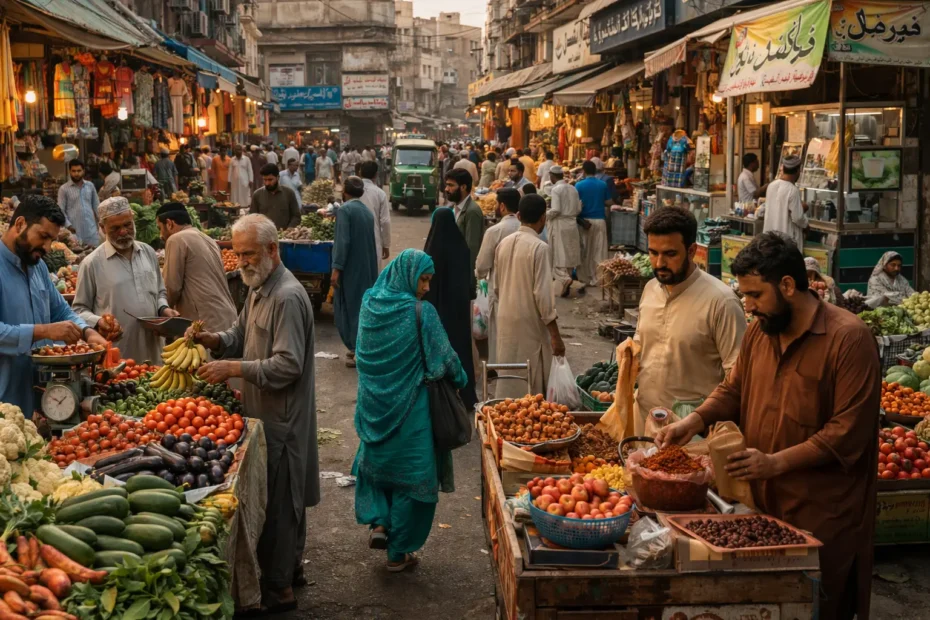
In urban centres like Karachi, Lahore, and Faisalabad, informal businesses dominate daily life — from roadside stalls to small retail shops. These enterprises are flexible, resilient, and quick to adapt to changing market conditions. During economic downturns, when formal industries slow down, this sector often absorbs displaced workers.
However, despite its importance, the informal economy remains largely untapped from a policy perspective. Experts believe that if properly integrated into the formal system, it could significantly expand Pakistan’s tax base and improve government revenues.
The challenge, however, lies in the approach. Heavy taxation or strict regulation could discourage small businesses and push them further into informality. Instead, policymakers are being urged to adopt a gradual strategy — offering incentives such as easier registration, access to microfinance, digital payment systems, and simplified tax procedures.
Another key issue is trust. Many small traders avoid formalisation due to fear of harassment, complex documentation, and inconsistent policies. Without addressing these concerns, efforts to bring them into the documented economy may not succeed.
Technology can play a transformative role here. The rise of mobile banking and digital wallets in Pakistan provides an opportunity to gradually formalise transactions without placing a heavy burden on small businesses. Over time, this could help build a more transparent and inclusive economic system.
At the same time, improving infrastructure — such as market facilities, storage, and transport — can enhance productivity within this sector. Better support systems would allow small businesses to grow, create more jobs, and contribute more effectively to the national economy.
In simple terms, Pakistan’s informal economy is not a weakness — it is an opportunity. If managed wisely, it can become a powerful engine of growth, helping the country move towards economic stability.