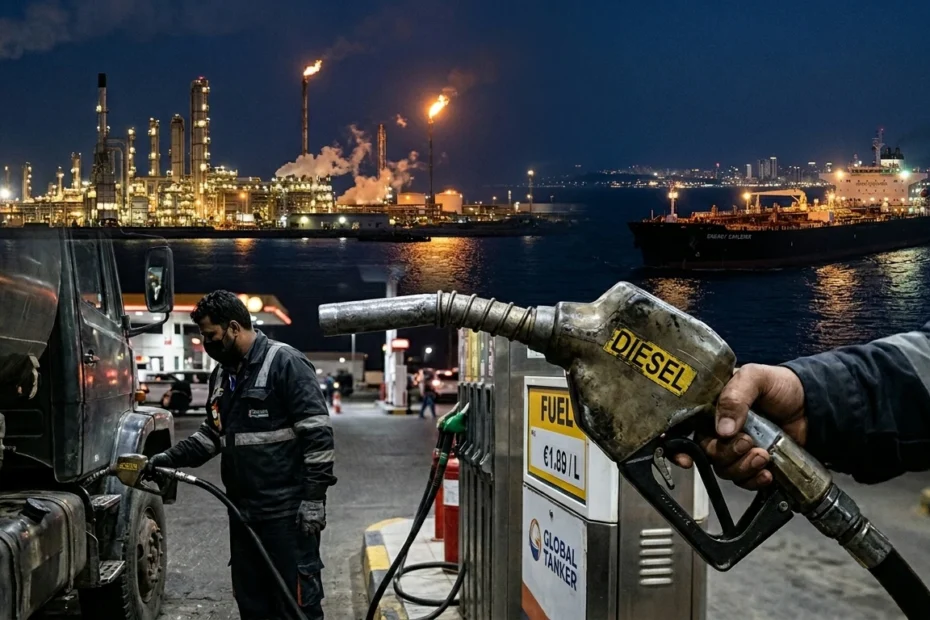
No Subsidy on Fuel: Finance Minister Rules Out Relief Amid Global Oil Surge
ISLAMABAD: Finance Minister Muhammad Aurangzeb has categorically rejected any possibility of providing subsidies on petroleum products, despite the looming threat of another massive price hike in the domestic market.
Chairing a high-level meeting of the petroleum monitoring committee on Friday, the Finance Minister emphasized that the government must prioritize fiscal discipline and adhere to international commitments. He stated that the “era of untargeted subsidies” has ended, as the national exchequer cannot sustain further financial drains while struggling to meet IMF-mandated revenue targets.
Market Dynamics and Global Pressure The decision comes as the Middle East crisis continues to push international crude prices toward the $100 per barrel mark. With the recent closure of key maritime routes, including the Strait of Hormuz, import premiums and freight insurance have skyrocketed.
“We must pass through the impact of global price fluctuations to maintain the liquidity of our energy supply chain,” the Minister remarked. He explained that any attempt to artificially freeze prices would lead to a circular debt crisis and potentially disrupt the supply of fuel at the pumps.
Focus on Supply Stability While ruling out financial relief, the Finance Minister assured the public that the country maintains a “comfortable level” of fuel stocks. Current reserves can meet national demand for at least 28 days. He directed provincial administrations to intensify their crackdown on hoarding and black-marketing, ensuring that retailers do not exploit the situation to create artificial shortages.
The government is also considering a shift from fortnightly to weekly price revisions. This move aims to align local rates more closely with the volatile international market and prevent massive “one-time” price shocks for consumers.
Impact on Consumers Industry experts predict that petrol prices could surge by over Rs20 per litre in the upcoming review if global trends persist. With the government refusing to soften the blow through subsidies, the burden will fall directly on the middle class and the transport sector, likely triggering a fresh wave of inflation across essential commodities.
The Ministry of Finance reiterated that its primary goal remains the “uninterrupted supply” of energy, even if it comes at a higher cost to the end-user.